
Board members must understand the association’s role in promoting HOA security. While some responsibilities fall on the HOA, there are also limitations. It is important to know what measures associations can take to increase security without increasing liability.
Is the Board Responsible for HOA Security?
Generally, an HOA is not automatically responsible for providing security or guaranteeing the safety of its residents. In fact, board members should be careful not to make promises or allude to this idea.
The primary responsibility of an association is to maintain common areas. It is not a police authority. Even communities with gates, security guards, access controls, or surveillance cameras usually don’t guarantee that crimes will never occur.
That said, an HOA can have some responsibility in certain situations. For instance, if there are existing security measures, the association has a duty to maintain them reasonably. Broken gates, for example, must be repaired promptly.
Another situation wherein the HOA is responsible is when it fails to address known security risks. If the board knows about a security issue or dangerous condition, it must take necessary steps to handle it.
An association is generally not liable simply because a crime took place in the community or a resident’s vehicle was stolen. Of course, boards should never make any guarantees, as that will expose the association to potential liability.
HOA Security Planning Checklist for All Associations
For both HOAs and condominiums, board members must complete a few basic steps before implementing security measures.
1. Conduct a Security Assessment
First, boards should perform a comprehensive assessment of the association’s current security conditions. This will help identify any vulnerabilities or gaps throughout the community.
To do this, boards should evaluate crime trends in the surrounding area, previous incidents in the community, poorly lit locations, blind spots, unsecured entrances, and vacant or rarely used areas. Many communities hire security consultants or law enforcement professionals to perform an assessment.
2. Review Insurance Coverage
Security measures and insurance often work hand in hand. After all, insurance can be the first line of defense when the unthinkable happens.
Boards should review general liability coverage, property insurance, crime and fidelity coverage, cyber liability insurance, and directors and officers insurance. The association’s insurance agent can help pinpoint any gaps in coverage and make recommendations.
3. Establish Security Policies
An association can have the best security equipment available, yet still fail due to unclear policies. Board members must create and implement clear rules for managing the HOA security system. The association should establish visitor access procedures, amenity access rules, package delivery procedures, parking regulations, key and fob management, and emergency response protocols.
HOA Security Checklist for Single-Family Communities
Here are the measures boards can take to improve security in HOA communities.
1. Entrance Gates and HOA Access Control
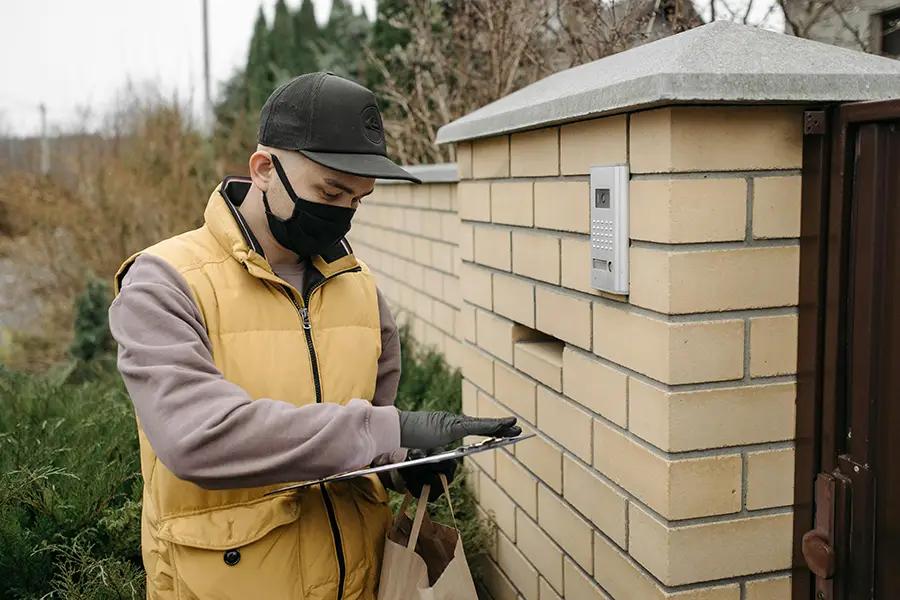
Controlled access remains one of the most common security measures. Options include keypads, access cards, RFID tags, mobile app access, and remote visitor management systems.
Investing in a cloud-based access system is a good idea. These systems allow boards and managers to add or remove credentials remotely, review access logs, generate reports, and monitor activity in real time.
2. License Plate Recognition Technology
License Plate Recognition (LPR) technology has become increasingly popular among single-family communities. These cameras can capture and record license plate information as vehicles enter and exit the community.
Additionally, these systems can assist law enforcement investigations and identify unauthorized vehicles. They can also monitor traffic patterns and track repeat offenders. Some systems can even generate alerts when flagged vehicles enter the neighborhood.
3. Surveillance Cameras
In modern times, most establishments and organizations have CCTV systems. These allow for continuous monitoring, with footage even being used as evidence.
Boards should consider installing cameras in entrances, exits, parking areas, and amenities or facilities. High-definition cameras with night-vision capabilities deliver better results.
Of course, keep in mind that residents have a reasonable expectation of privacy. Associations must never install cameras in private spaces or point them at windows, doors, or other sensitive areas.
4. Perimeter Fencing
Fencing can discourage trespassing and unauthorized entry. While traditional barriers work well, some communities opt for electric perimeter fencing, particularly if they have significant security concerns. It is important to regularly inspect perimeter fencing for any damage.
5. HOA Security Guard or Patrols
Security guards or vehicle patrols provide a visible security presence, allowing residents to feel more at ease. Patrol officers can monitor common areas, check gates, respond to resident concerns, and document suspicious activity. Many HOA security services offer guards or patrols.
6. Community Lighting
More often than not, crimes occur in dim or poorly lit areas. To combat this, boards should ensure adequate lighting for sidewalks, parks, mail areas, parking lots, and community entrances. Consider investing in LED fixtures, as they improve visibility while keeping costs low.
7. Strategic Landscaping
Allowing shrubs and bushes to overgrow can increase security risks in the community. These natural fixtures give offenders a place to hide and can obscure visibility. By keeping landscaping well-maintained, the board can lower security concerns.
HOA Security Checklist for Condominium Communities
Condominiums typically require more sophisticated security systems because residents share buildings, hallways, elevators, garages, and amenities. Here are the items to include in a condo security checklist.
1. Controlled Building Access
Apart from personnel, only residents and their authorized guests should have access to the condo building. A good way to control access is to implement key fobs, access cards, mobile credentials, biometric systems, and video intercoms.
Again, cloud-based access systems are a good investment. They allow board members to manage access and credentials remotely while monitoring activity in real time.
2. Concierge and Front Desk Personnel
Many condo communities employ front desk personnel. Their responsibilities often include verifying visitors, managing packages, monitoring cameras, controlling access, and reporting any incidents. Keeping staff in the lobby not only makes residents feel safe, but it also adds an air of luxury to the building.
3. Security Guards
Some condominiums employ dedicated security guards. Depending on the association’s needs, these guards can patrol hallways, monitor entrances, respond to emergencies, enforce parking, and assist first responders.
Of course, security guards can be quite expensive. Condo boards must review their budgets, staffing costs, and service contracts before making a decision.
4. Elevator Security Controls
Elevators can pose security risks if condo boards aren’t careful. Once inside, a stranger can use the elevator to reach any part of the building.
Associations should consider investing in modern elevator systems. These systems require residents to use a credential before accessing certain floors. This can prevent unauthorized visitors from gaining access.
5. Parking Garage Security
Parking garages often experience theft and vandalism. To combat this, boards should consider implementing access-controlled gates, CCTV coverage, emergency call stations, motion-activated lighting, and regular patrols. Additionally, condos can use LPR technology within parking facilities.
6. Package Room Security
Online shopping has heightened concerns about package theft in many condominiums. Boards can reduce incidents by establishing secure package rooms, smart lockers, access-controlled delivery areas, and package-tracking systems.
7. Visitor Management Systems
Digital visitor management platforms allow residents to approve guests in advance. Look for features like visitor QR codes, temporary credentials, entry logs, and mobile notifications. These systems not only make guest management convenient but also improve accountability.
With the Right Assistance
Managing HOA security is not always an easy undertaking. In fact, many association boards struggle to improve their security measures while mitigating liability risks. Fortunately, an HOA management company can step in to help volunteer leaders.
TNWLC offers HOA management services to communities in Washington, DC. Call us today at (202) 483-8282 or contact us online to get started!
RELATED ARTICLES:
- HOA Invasion Of Privacy: What HOA Privacy Laws Allow
- Condo Association vs HOA: Similarities And Key Differences Explained
- HOA Rental Restrictions: How Boards Should Set And Manage Policies