
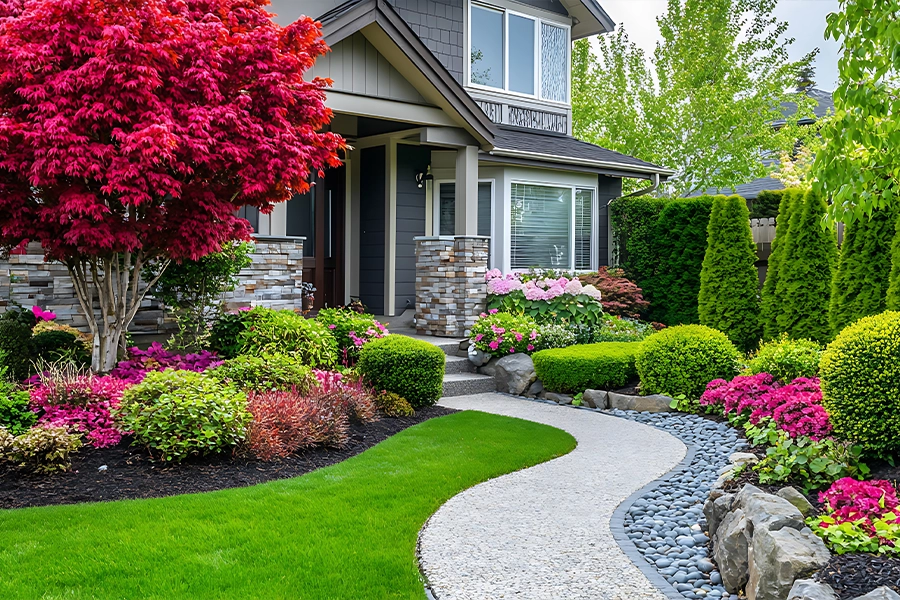
As the season changes and plants start to peek out, HOA spring landscaping becomes essential. Board members must understand how to plan for landscaping in the new season, including allocating the appropriate budget and educating homeowners on their own garden care.
Essential HOA Spring Landscaping Tasks
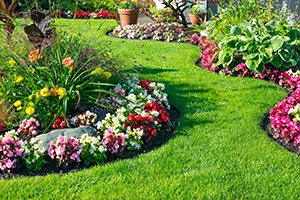
Spring is the busiest landscaping season for most communities. During this time, winter damage begins to show, and plants begin to grow again. For HOAs and condo associations, spring landscaping becomes integral to support community aesthetics and character.
Here are the most important tasks to include in an HOA spring landscaping plan.
1. Conduct a Property-Wide Landscaping Inspection
Before starting any work, the board should schedule a community-wide inspection. Check all areas the association is responsible for maintaining. This will help the board identify any damage caused by winter weather and determine what needs to be done.
What should the board check for?
- Dead or damaged plants or shrubs
- Bare patches in turf areas
- Soil erosion or drainage issues
- Broken irrigation components
- Fallen branches or tree damage
- Mulch depletion in planting beds
Association boards must document these issues using photos and notes. This way, it can plan repairs and maintenance accordingly. Of course, inspections don’t have to be performed by the board itself. It can delegate the task to a landscaping vendor or an HOA manager.
2. Review the Landscaping Contract
Spring is a good time to revisit the landscaping contract. Some services the association needs may not be included in the scope, requiring additional tasks and fees.
The landscaping contract should include spring cleanup services, mowing and edging, mulching, and fertilization. Boards should also confirm that their vendor offers weed control and tree or shrub trimming services.
Ideally, the board would have smoothed everything out when first negotiating the contract. But if any services are missing or the scope is unclear, the board should schedule a meeting with the vendor to discuss.
3. Schedule Spring Cleanup
As winter transitions to spring, cleanup is usually the first major landscaping service of the year. Landscapers can’t just dive in and start planting. They need a blank canvas of sorts.
Specific cleanup tasks will depend on the type of damage left behind by the previous season. They typically include removing leaves and other winter debris, cutting back grasses and perennials, cleaning planting beds, edging landscape borders, and removing dead plant materials.
4. Refresh Mulch in Landscape Beds
Mulch isn’t only for appearances’ sake, but it also serves a functional purpose. It helps improve the soil’s ability to retain moisture, regulate temperature, and limit weed growth.
With the help of a professional, board members should determine where to replenish mulch. Typical areas include entry features, common-area planting beds, tree rings, and community signage. Most communities install mulch once a year in the spring.
5. Inspect and Start up Irrigation Systems
If the community has an irrigation system, spring is also a good time to conduct an inspection before resuming operations. This involves pressurizing the system, checking sprinkler heads for damage, adjusting spray patterns, and testing timers. If there are any leaks, repair them immediately.
Boards should schedule inspections and repairs early in the season. This will help prevent the association from wasting water due to poor irrigation performance.
6. Plan Turf Care and Fertilization
Lawns should get proper attention in the spring, too. Boards should ask their vendors about fertilization services and weed control programs. These tasks will help turf recover from the cold season. Aeration and overseeding are equally essential.
7. Trim Trees and Shrubs
Winter storms can be very harsh, causing damage to branches and growth patterns. This is why pruning is an integral part of HOA spring landscaping. It not only improves the appearance of landscapes but also keeps the surroundings safe.
Trimming tasks include removing dead branches, shaping edges, pruning overgrown shrubs, and clearing branches away from walkways or buildings. Landscapers should also inspect the trees to ensure there is no lingering damage or disease, which can affect long-term growth and create safety hazards.
8. Repair Landscape Features
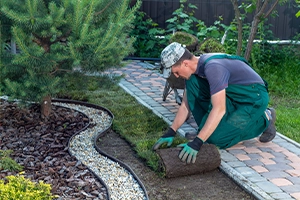
Greens and plants aren’t the only things to watch out for. Boards should also check landscape features and hardscape during this time. These include retaining walls, decorative stone areas, lighting, fountains or bird feeders, and garden borders.
If there’s any damage to these items, the board should schedule repairs immediately. This will help prevent major problems and costs later on.
9. Evaluate Vendor Performance
Associations don’t do the landscaping themselves. They hire vendors to do it for them. Spring is also a good time to assess the work and performance of their landscaping vendor.
If the service quality is poor, the board may want to issue a formal warning. Consistent underperformance may warrant a change in vendors. Some key performance indicators to evaluate include quality of work, timeliness, communication skills, and responsiveness to requests.
10. Consider Landscape Improvements
Associations don’t have to stick to the usual. Spring also gives the board an opportunity to plan enhancements and modifications that will improve the landscape. Examples include installing seasonal flowers, improving entry landscaping, and adding drought-tolerant plants.
How to Review the Spring HOA Landscaping Budget
Believe it or not, spring landscaping often represents a large portion of the annual maintenance budget. Boards should conduct a thorough review to ensure their funds can cover all spring HOA landscaping costs.
To prepare the budget, the board should look at historical data and confirm vendor prices. This will allow the board to make more accurate estimates. If improvements are planned, the board should research the cost and add a cushion as support.
Crucial items to budget for include:
- Seasonal plant growth and improvements
- Irrigation system maintenance and repairs
- Winter debris removal
- Fertilization
- Soil health
- Mulch replenishment
- Tree maintenance
- Unexpected snowfall
- Lawn care
- Weed control
Educating Homeowners on HOA Landscaping for Spring
Homeowners have a right to know what’s going on inside their community. To manage expectations, the board should share its HOA spring landscaping plans with residents early on. If the work will disrupt traffic, cause noise, or hinder certain operations, communicating them will help prevent complaints.
Additionally, homeowners have their own maintenance obligations. If owners have yards or lawns, they are typically responsible for tasks such as clearing debris, replenishing mulch, removing weeds, and trimming trees or shrubs.
Boards should send out reminders at the opening of the spring season. Newsletters, community websites, and bulletin boards are all useful communication tools. This way, owners can start on their own landscaping tasks and keep up with community standards.
Professional Services Needed
Navigating HOA spring landscaping tasks can be confusing and frustrating for volunteer boards. To lighten the workload, boards should consider hiring professional help. A landscaping vendor can certainly handle most tasks, but an HOA management company can oversee the planning and budgeting.
TNWLC offers HOA management services to communities in Washington, DC. Call us today at (202) 483-8282 or contact us online to get started!
RELATED ARTICLES:
- Capital Lending For Cooperatives: How Does This Help Co-ops?
- HOA Architectural Review Checklist: A Step-by-Step Process For Boards
- HOA Invasion Of Privacy: What HOA Privacy Laws Allow