

It is not unusual for residents to invite an HOA guest or two. Since guests bring increased activity to the community, it is important for board members to enforce consistent visitor rules. These rules can help maintain safety, preserve amenities, and reduce disputes between neighbors.
The Importance of HOA Guest Policies
Guest policies help set clear expectations for visitors and residents alike. Without established rules, associations often face disagreements about parking, amenity use, noise, and accountability for violations.
Well-written HOA guest policies can also support community safety. Boards can better monitor who enters the property and who uses shared facilities. This is especially important in communities with pools, clubhouses, fitness centers, and controlled-access entrances.
Additionally, guest rules can help protect association property. Visitors may not be familiar with community regulations, which can lead to accidental damage or misuse of amenities. With clear policies, boards can reduce this risk.
Consistent guest policies can ensure that all residents follow the same standards. This prevents claims of favoritism or selective enforcement, which can expose the association to legal trouble.
Can the HOA Ban Guests?
In most cases, an HOA can’t completely ban guests from visiting residents. Owners generally have the right to receive visitors as part of their property rights.
For single-family HOAs, a total ban on guests would likely be difficult to justify unless the governing documents contain very specific provisions. Even then, overly restrictive policies can be challenged by residents because they interfere with an owner’s reasonable use and enjoyment of their property.
Condominium associations, on the other hand, often have broader authority to regulate building access. This is because residents share entrances, hallways, elevators, and amenities. Even so, most courts view a complete prohibition on guests as unreasonable.
In Washington, DC, condo associations are governed by the DC Condominium Act. That said, there is no specific statute that expressly authorizes associations to ban all guests. Instead, associations must rely on their governing documents.
Can HOA Restrict Guests?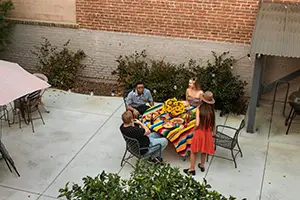
While complete bans are often unenforceable, associations can typically impose reasonable restrictions on guests. The caveat is that the governing documents must expressly authorize these rules. When in doubt, it is always a good idea for boards to confirm with a legal professional.
Practical HOA Guest Rules to Have
When creating guest policies, it is important to strike the right balance between preserving community interests and protecting residents’ rights. Here are the most effective HOA guest rules to have.
1. Access to Certain Areas
Most communities limit guest access, as not every area should be open to visitors. Communities may allow guests only in certain places, such as business centers, clubhouses, pool areas, rooftop spaces, and other amenities. Additionally, some communities require residents to accompany their guests when using these areas.
2. HOA Guest Parking Rules
Guest parking rules are among the most important visitor policies. Associations usually establish designated guest parking spaces, time limits for visitor parking, and guest parking permits. Moreover, boards can require registration for overnight parking and restrict certain commercial vehicles.
3. Amenity Use
Board members often face challenges when regulating amenity use for guests. Rules often address pool guest limits, clubhouse reservations, access to fitness centers, sports court usage, and playground supervision.
Pools, in particular, generate several liability concerns for associations. Because of this, associations usually limit the number of guests per household, the hours of access, the presence of unaccompanied minors, and private gatherings. These rules will help prevent overcrowding and misuse of amenities.
4. Noise Restrictions
Guests should follow the same quiet-hour requirements as residents. Noise rules typically apply to parties, gatherings, pool activities, outdoor common areas, and clubhouse events. By enforcing noise restrictions, boards can limit complaints.
5. Occupancy Limits
Long-term guests can lead to overcrowding and unauthorized occupancy, especially in condominiums. Boards can establish limits on consecutive overnight stays, total guest days per year, and the number of overnight guests.
Moreover, there’s a fine line between overnight guests and unauthorized rentals. Some residents may try to pass off their tenants as short-term guests, as is common practice in some places.
6. Guest Accountability for Violations
Residents should remain responsible for the actions of their guests. This policy can encourage homeowners to educate visitors about community rules and ensure compliance. When guests violate the rules, the board must treat them as normal violations against the host/resident.
7. Guest Registration Requirements
Some communities require residents to register their guests in advance. This will help the association track visitors entering and exiting the community.
Registration systems may include visitor logs, online registration portals, temporary access credentials, and vehicle registration. These measures can improve security and access control.
8. Short-Term Guest Restrictions
Boards should distinguish between guests and short-term renters. A guest generally visits without paying compensation. Meanwhile, a short-term renter occupies the home or unit under a rental agreement. If the association has a ban on rentals, clear HOA guest rules can help separate legitimate guests from unauthorized renters.
9. Gate and Access Credential Rules
In gated communities, residents should not freely share their access devices with visitors. Associations can prohibit residents from lending their gate cards to non-residents, sharing access codes, or providing permanent credentials to guests. These policies can help maintain security.
10. Event and Party Rules
It is not uncommon for residents to want to throw a party now and then, especially around the holidays. Yet, large gatherings often require additional oversight from the board.
To help control parties, associations can establish maximum attendance limits, reservation requirements, security deposit requirements, and cleanup responsibilities. These rules are particularly essential if the party will take place in a common area or facility.
11. Pet Rules for Guests
Visitors might bring their pets into the community. Because of this, guest pet policies should address leash requirements, waste cleanup, breed restrictions (if permitted), and amenity access restrictions.
Some associations have strict no-pets policies. These policies should also apply to visitors. A guest doesn’t get a free pass just because they’re not a resident.
How to Enforce HOA Guest Rules Consistently
Consistent enforcement is just as important as the rules themselves. Here are the strategies boards should implement when enforcing HOA guest rules.
- Formalize the Rules. To begin with, boards should clearly set out guest policies and include them in the governing documents. It is equally important to educate residents and make these rules available for examination.
- Avoid Making Exceptions. A common mistake many boards make is applying the rules unequally or inconsistently, depending on who commits the violation. It is ill-advised to make an exception for one resident just because they are a friend or an influential figure.
- Train Key People. Board members shouldn’t be the only ones who know how to enforce the rules. Management companies, committee members, and even security personnel should undergo proper training and education.
- Document Everything. Boards should maintain records of complaints, notices, and enforcement actions. Proper documentation creates a paper trail, ensures consistency, and can help defend against claims of selective enforcement.
A Lesson Learned
Every association should have a well-crafted HOA guest policy. This policy will help protect the community, improve safety, and reduce conflicts among residents. Beyond clear rules, consistent enforcement is just as essential. Unfair treatment can not only render the rules void but also increase legal exposure for both the HOA and the board.
TNWLC offers HOA management services to communities in Washington, DC. Call us today at (202) 483-8282 or contact us online to get started!
RELATED ARTICLES:
- Are HOAs Legal Or Just Overreaching? The Truth Behind HOA Authority
- Washington DC Condominium Act: A Guide For HOA Board And Managers
- Can A Washington HOA Prohibit Co-op Subleasing?