
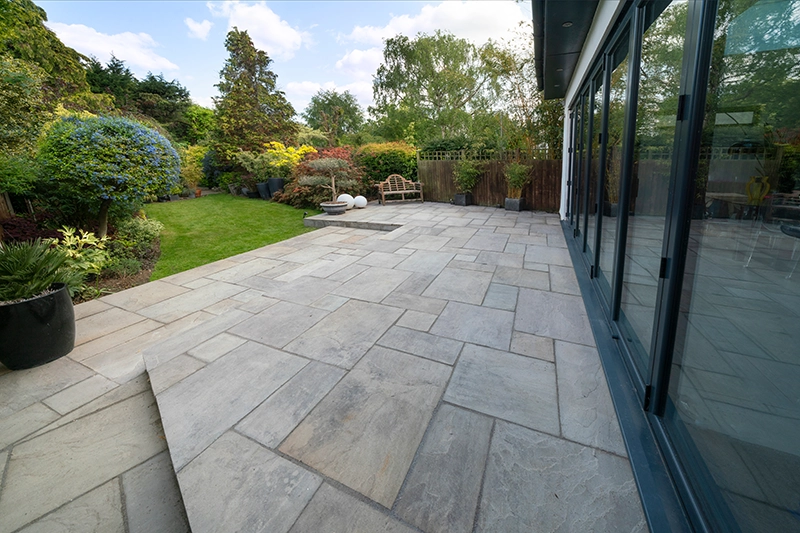
In a planned community, HOA patio rules help uphold a consistent design standard, ensure proper maintenance, and promote safety. Board members must understand what types of limitations they can place and what features or activities they must regulate.
What are HOA Patio Rules?
Simply put, patio rules are restrictions or regulations that apply to the construction, alteration, maintenance, or use of patios within an HOA community.
Homeowners may find their patio rules in the association’s governing documents. These rules often place limitations on the size, materials, and design of patios. They also govern decorations, furniture placement, grilling, covers, screens, and maintenance.
Some owners may find patio rules too restrictive, but most are reasonable and purposeful. These rules help maintain the community’s aesthetic standards, which directly correlate with stable property values.
Can an HOA Enforce Patio Rules?
In general, an HOA can enforce patio rules, provided the authority and rules are clearly stated in the association’s governing documents.
Board members are not permitted to act outside their scope of authority. If a rule does not appear in the CC&Rs, bylaws, or operating rules, then the HOA can’t enforce it. Boards can’t arbitrarily decide to implement a rule out of thin air.
Associations must establish a clear HOA patio policy. This policy must be outlined in the governing documents. If the board wishes to add or change a rule, it must do so using the proper channels and procedures.
For CC&Rs and bylaws, an amendment usually requires membership approval. On the other hand, changes to operating rules usually require a board resolution.
What HOA Patio Rules Should an HOA Have?
To maintain a standard appearance, HOAs should establish rules governing size and materials, patio furniture, decorations, outdoor grilling, privacy screens, patio covers, fencing, maintenance, and structural changes. Let’s break down the HOA rules for patios below.
1. Size and Materials
Many communities restrict the size of patios that owners may build. Common rules limit the size to a specific percentage of the property, require setbacks from boundary lines, or prohibit patios from encroaching on common areas.
Additionally, associations also restrict the types of patio materials. Loose stone, gravel, and artificial turf are typically prohibited due to design or safety issues. Associations often prefer natural stone, pavers, and concrete.
2. Patio Furniture
Associations typically govern what types of furniture owners may set on patios, particularly when they are visible from the street. Furniture must comply with the community’s design standards. To limit clutter, many HOAs also restrict storage boxes, umbrellas, and the like.
3. Decorations
Decoration standards also apply to HOA patio restrictions. If an owner wishes to decorate for a holiday, they must follow existing decoration rules, which commonly regulate timing, noise, flashing lights, and vulgarity.
4. Outdoor Grilling
Nothing beats grilling on a patio on a mild summer’s day, but association rules may restrict the activity. Common HOA grill rules address storage, maintenance, use, and distance from structures. The goal is to promote safety and reduce fire hazards.
5. Privacy Screens
Associations generally adopt HOA patio privacy screen rules if the screens are permanently attached, exceed height limits, or fail to conform to the community’s architectural standards.
Do you need HOA approval to screen in a patio? Owners must check their governing documents for verification. That said, most associations require permission for architectural changes, including the installation or modification of privacy screens.
6. Patio Covers
Covers such as roofs, awnings, gazebos, and pergolas add charm to any patio, but they may not be allowed in an HOA. Common HOA patio cover rules address the color, style, height, and placement of these structures.
7. Fencing
Many owners wish to fence off their patios to keep children or pets safe. As with patio covers, HOA patio enclosure rules typically govern the size, materials, color, style, and setback requirements of such constructions.
8. Maintenance
Homeowners must maintain and repair their patios as necessary. Cracks must be sealed, damage repaired, and surfaces kept clean. Surrounding landscaping must also be well-maintained.
Maintenance rules not only preserve the appearance and integrity of the patios, but they also reduce safety risks. Someone could easily trip over a crack or slip on muddy flooring, exposing the owner to liability claims.
9. Structural Changes
Any construction or modification must not alter the foundation or structural support of the property. This ensures compliance with building codes and promotes resident safety.
How to Avoid Patio Disputes With Homeowners
Disputes can arise when owners disagree with the enforcement of patio rules. To prevent conflict, association boards must communicate clearly, educate residents, enforce the rules consistently, and establish a standard ARC process.
1. Practice Clear Communication and Education
Association boards must ensure that owners understand the HOA patio rules. Awareness plays a significant role in preventing violations. When owners are in the dark, they are more likely to break the rules.
Clear communication is equally critical. Disseminate changes to the rules to all residents as soon as possible. Use every available communication channel, including reminders at in-person meetings. If an owner violates the rules, the HOA must provide them with sufficient notice before taking enforcement action.
Practicing open communication builds trust within the community. It also protects the board and the association from potential liability.
2. Consistently Enforce HOA Patio Rules
Board members must enforce the patio rules fairly and equally. They must never pick and choose which rules to enforce or which violations to excuse.
Additionally, associations must always practice due process. In Washington, DC, for instance, an association may only levy fines for violations after providing written notice and an opportunity to be heard (Section 42–1903.08). Skipping these steps can invalidate the penalty.
Personal bias, vendettas, and targeted applications are all blatant examples of selective enforcement. These can render the rules void, make it difficult to enforce rules in the future, and even expose the board to legal action.
3. Establish a Standard Architectural Review Process
Patio installations or modifications typically require architectural approval, but this ultimately depends on the governing documents.
In general, owners must submit a completed ARC application to the HOA. This application includes all project details, including contractor information, design plans or blueprints, and measurements. The HOA board or Architectural Review Committee will then evaluate the proposal and make a decision based on the association’s governing documents and architectural guidelines.
Navigating Rules
Board members might face pushback or criticism for enforcing HOA patio rules. By communicating clearly with residents, applying rules consistently, and adhering to a standard approval process, associations can minimize disputes while maintaining a consistent neighborhood appearance.
TNWLC offers HOA management services to communities in Washington, DC. Call us today at (202) 483-8282 or contact us online to start your journey!
RELATED ARTICLES:
- Unenforceable HOA Rules In DC
- Condo Balcony Rules: What Is The HOA Responsible For?
- HOA Spring Landscaping: What HOA And Condo Boards Should Budget For