
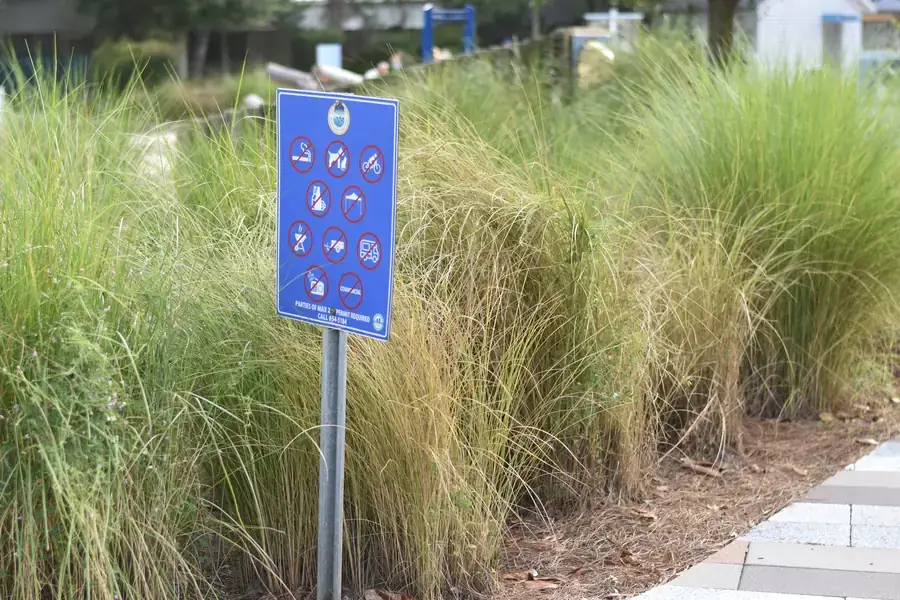
How does an HOA enforce rules? Enforcing rules can be a tricky part of managing a community, especially for volunteer boards with little to no experience. Consider state laws and the association’s governing documents, along with key requirements and procedures. Skipping even one step in due process can create legal problems for both the HOA and its board.
Can HOA Enforce Rules?
State laws and the governing documents determine whether an association can enforce rules, but the general answer is yes. Board members typically enforce HOA rules. The CC&Rs and bylaws grant them this authority and outline rule-enforcement policies and procedures.
Can homeowners association enforce rules? In Washington, DC, no dedicated statute governs single-family homeowners associations. These communities must rely on their governing documents to understand the scope and limits of their rule-enforcement power.
Condominium associations, by contrast, are governed by the DC Condominium Act. Under Section 42–1903.08, these associations can enact and amend rules and regulations.
How Do Homeowners Associations Enforce Rules?
While the exact steps can differ from one community to another, the general HOA rule-enforcement process involves sending a violation notice, giving an opportunity to cure, scheduling a disciplinary hearing, imposing a penalty if the violation stands, and, in certain cases, taking legal action. Let’s discuss these below.
1. Send a Violation Notice

First, the HOA board must send the homeowner a written notice of the alleged violation. This notice should explain the rule that the owner allegedly broke, cite the specific governing document or policy, and set a deadline to fix the issue.
In DC, written notice is required before a violation fine. According to Section 42–1903.08, a condo association can’t impose a monetary penalty if the board failed to send notice.
2. Provide an Opportunity to Cure
Depending on the HOA enforcement policy, most associations give a grace period or warning first before penalizing the owner. This gives the owner a chance to fix the problem without paying a fine or having their privileges temporarily revoked. The owner must complete the fix by the deadline.
3. Schedule a Disciplinary Hearing
According to Section 42–1903.08, a condo association must give the owner an opportunity to be heard before levying a fine. A disciplinary hearing gives owners a chance to appear before the board and defend themselves. At this hearing, they can call witnesses and present evidence to support their case.
4. Impose a Penalty
After the hearing, the board must decide. If the violation stands, the association can then fine the owner. HOA enforcement policies typically outline fine schedules. This schedule shows the fine amount by violation type, escalating penalties, and any late fees.
Some associations may also suspend the owner’s privileges depending on their CC&Rs and bylaws. This involves temporarily revoking the owner’s access to community amenities or voting rights.
5. Take Legal Action
In severe cases or if the owner fails to pay their fines for a prolonged period, the HOA may take legal action. Depending on what the governing documents allow, this can include initiating mediation or arbitration, filing a lawsuit, or placing a lien on the property for unpaid fines.
What Can an HOA Do to Enforce Rules?
To enforce HOA rules, the association must investigate alleged violations, follow due process, and apply the rules fairly and consistently to all owners.
Associations can identify potential violations by conducting routine inspections and accepting resident complaints. Through routine inspections, the board, HOA manager, or a separate committee can walk the community to spot visible rule violations. Some associations also allow owners to report possible violations to the board. In that case, the board should thoroughly investigate each complaint instead of relying solely on hearsay.
Due process is another critical component of proper HOA rules enforcement. Associations must provide written notice and an opportunity to be heard before imposing penalties. If the board fails to do one or both, the owner may have grounds to challenge the violation or the resulting penalty.
Finally, associations must enforce the rules fairly and consistently. This means avoiding bias, favoritism, and selective enforcement. A common example of unequal enforcement is ignoring violations by some residents while punishing others. This selective enforcement can undermine the board’s authority, erode resident trust, and even expose the association to lawsuits.
HOA Not Enforcing Rules? What Homeowners Can Do
If an HOA isn’t enforcing the rules, homeowners can document violations, review the governing documents, send a formal complaint, attend or speak at open board meetings, mobilize neighbors, volunteer for committee or board positions, and, as a last resort, consider legal action. Let’s discuss these below.
1. Document the Violations
You need a record of the rule violations to support your claim. Owners should keep an accurate log, complete with specific dates, times, locations, and supporting photos or videos. It is also important to document instances where the board ignores the rules or enforces them selectively.
2. Review the Governing Documents
Owners should then check the exact provision in the governing documents that confirms the board’s duty to act. This serves as a legal basis for the next step.
3. Send a Formal Written Complaint
Residents should write a formal letter addressed to the HOA board or management company. This letter should clearly state the facts, cite the rules, and include any supporting evidence. It is also best to send it via certified mail to create a paper trail.
4. Attend or Speak at Open Board Meetings

Owners can voice their concerns during a board meeting’s open comments section, which DC law requires for condominiums (Section 42–1903.03). This ensures that the board or management company (as well as other residents) is aware of the complaint. Meeting minutes also document it.
5. Mobilize Neighbors
If other owners are equally dissatisfied with the lack of enforcement, it may be possible to petition for a special meeting. Owners can then demand change or call for the removal of board members.
6. Volunteer for Board or Committee Positions
Owners who want to get directly involved or drive more meaningful change can join a committee or run for a board position at the next election.
7. Consider Legal Action
If all else fails, owners can sue the association to compel enforcement. Keep in mind that lawsuits can be lengthy and expensive, so owners should also consider alternative dispute resolution methods such as mediation and arbitration.
How Should an HOA Enforce Rules? Answered!
Rules exist to maintain order, curb appeal, and a high quality of life in an association. Board members must enforce the rules under the authority granted by state law and the governing documents. Proper rule enforcement also means following due process and applying the rules equally among all residents.
TNWLC offers HOA management, condo management, and cooperative management services to communities in Washington, DC. Call us today at (202) 483-8282 or contact us online to get started!
RELATED ARTICLES:
- Top Tips On De-Escalating Conflict In HOA Meetings
- HOA Committees: Their Purpose And Role In Your Community
- Unenforceable HOA Rules In DC