
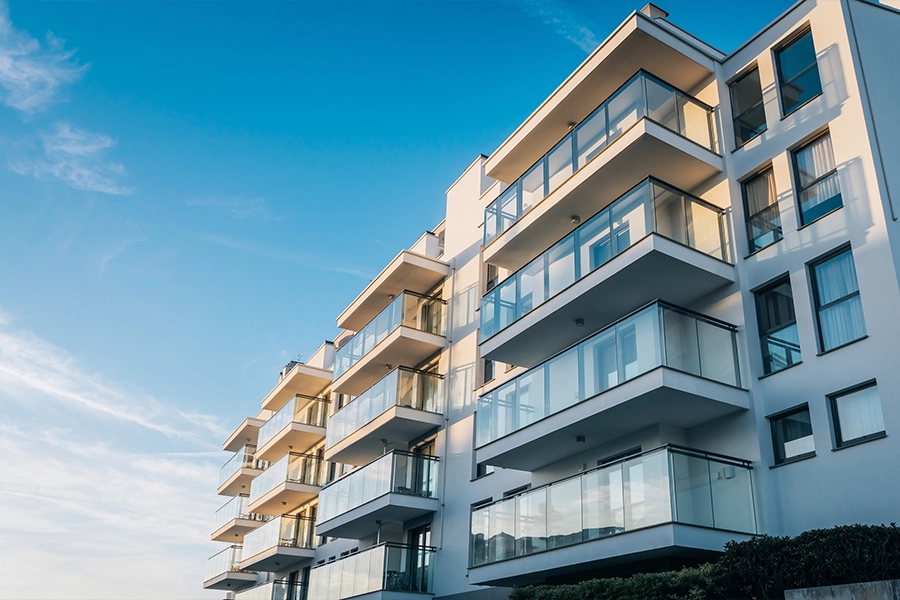
Condo balcony rules regulate use, appearance, and maintenance. That said, these rules can vary from one condominium to another. In Washington, DC, it is important to know who is responsible for keeping balconies in good shape — the owners or the HOA.
What are Condo Balcony Rules?
Condo balcony rules are the policies an association adopts to control how owners use, maintain, and modify their balconies. These rules usually come from the CC&Rs, bylaws, and operating rules. The board enforces them to protect safety, appearance, and structural integrity.
Understanding Limited Common Elements
Limited common elements are portions of the common area that serve one unit or a small group of units. They are not fully owned by the unit owner, but they are reserved for that owner’s exclusive use.
Balconies are a common example of this. It is essential to differentiate what counts as a limited common element because it establishes who is responsible for maintenance and repairs.
As a general rule, the HOA typically maintains and repairs the structure of the limited common element, whereas the owner maintains the surface and appearance. For example, the HOA might repair concrete, railings, and waterproofing, while the owner may be responsible for cleaning and furniture.
It is worth noting that some governing documents shift more of the responsibility to owners. For this reason, board members must confirm with their CC&Rs and bylaws to understand how the obligation is split.
Other examples of limited common elements include patios, assigned parking spaces, and storage lockers. They are more prevalent in condominium communities than traditional single-family HOAs.
Who is Responsible for Condo Balcony Maintenance?
The division of responsibility ultimately depends on the governing documents of the condo. That said, some general practices do apply. Let’s break down the responsibilities for condo balcony repair and maintenance.
HOA Responsibilities
The association usually handles:
- Structural repairs to slabs and supports
- Waterproofing systems and drainage
- Exterior railings and safety components
- Major repairs caused by age or building defects
These items affect building safety and integrity. Because of that, they often fall under the HOA’s scope.
Unit Owner Responsibilities
Unit owners are often responsible for:
- Cleaning and routine upkeep
- Maintaining the appearance of the balcony
- Personal items such as furniture or decor
- Minor damage caused by misuse or neglect
Shared or Mixed Responsibility
Some associations divide responsibility more specifically. For example:
- The HOA repairs structural damage
- The owner pays if damage results from negligence
- Costs may be shared depending on the situation
Common Condo HOA Balcony Rules
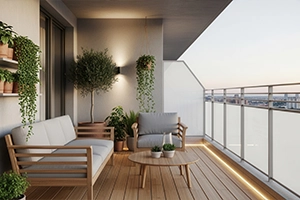
Condo balcony rules help protect safety, appearance, and property values. Board members should adopt clear and reasonable rules and enforce them fairly and consistently. Common rules include:
1. Safety and Structural Limits
Condo balcony rules often involve safety and structural limits. Most associations impose weight restrictions for furniture and equipment to keep the balcony stable. There may also be rules concerning the use of grills and open flames.
Moreover, associations typically prohibit unsafe installations. Anything that poses a risk to health, safety, or structural integrity is usually banned. Of course, if an owner wishes to install a satellite dish or antenna, the OTARD Rule generally applies.
2. Appearance and Aesthetics
Condo HOA balcony restrictions often require owners to follow certain aesthetic guidelines. These typically place limits on visible items such as laundry or clutter. Many also impose standards on the types of furniture, plants, and decor owners can place.
Architectural approval also applies. Owners normally need to seek permission from the association before making alterations or improvements. Consistency keeps the community looking uniform.
3. Maintenance Requirements
Owners must fulfill their maintenance obligations, extending to balconies, too. Associations usually require owners to keep balconies clean and free of debris. They can’t store any hazardous or unsanitary items in this space either. Plus, drainage areas must not have any clogs or blockages.
Poor maintenance can affect the community at large. It can damage the building itself and spread to nearby units as well. By making maintenance mandatory, condos can protect property values.
4. Use Restrictions
Associations generally restrict balcony use, allowing owners to use them only for residential and personal purposes. This means commercial use is prohibited. Many condos also don’t allow owners to hold excessive gatherings in such areas.
Nuisance rules are also quite common. Because balconies are typically open, sound can travel much farther. Quiet hours are often imposed, prohibiting owners from making too much noise at certain times of the day.
Of course, nuisance isn’t confined to just noise. Odors can also be considered a nuisance. Because of this, owners can’t perform any activities that create strong odors. This usually also applies to smoking or vaping.
Finally, condo balcony rules might also extend to pet-related restrictions. For example, a condo may not allow pets on balconies for safety, health, and nuisance reasons.
5. Modification and Alteration Rules
Architectural review isn’t limited to just single-family HOAs. Condo communities also strive to maintain a uniform and visually appealing facade. To accomplish this, COAs typically limit how owners can modify or improve exterior structures such as balconies.
Most of the time, condo boards require owners to go through the architectural approval process for any changes. This helps the association control additions, too, like enclosures, screens, and flooring. Moreover, it ensures compliance with building standards.
It’s not purely for cosmetic reasons. Unauthorized changes can also create liability and structural risks. Allowing an owner free rein over balcony changes can compromise the element’s structural integrity. It might add unnecessary weight or compromise the balcony’s strength. By eliminating control, the board might inadvertently increase the association’s legal exposure.
For the Community’s Good
Condo balcony rules serve a very distinct purpose. They help maintain aesthetics, safety, and long-term property values. These rules address maintenance responsibilities, use restrictions, and structural limits. Enforcing them is imperative, but boards must be careful to apply them fairly and consistently at all times.
TNWLC offers HOA management services to communities in Washington, DC. Call us today at (202) 483-8282 or contact us online to get started!
RELATED ARTICLES:
- The Real Work Of Condo Management That Keeps Everything Together
- Washington DC Condominium Act: A Guide For HOA Board And Managers
- Condo Association vs HOA: Similarities And Key Differences Explained